Cloud SecurityBleeping Computer
8.5 — CRITICAL
The Future of Age Verification: Your Face Never Leaves Your Device
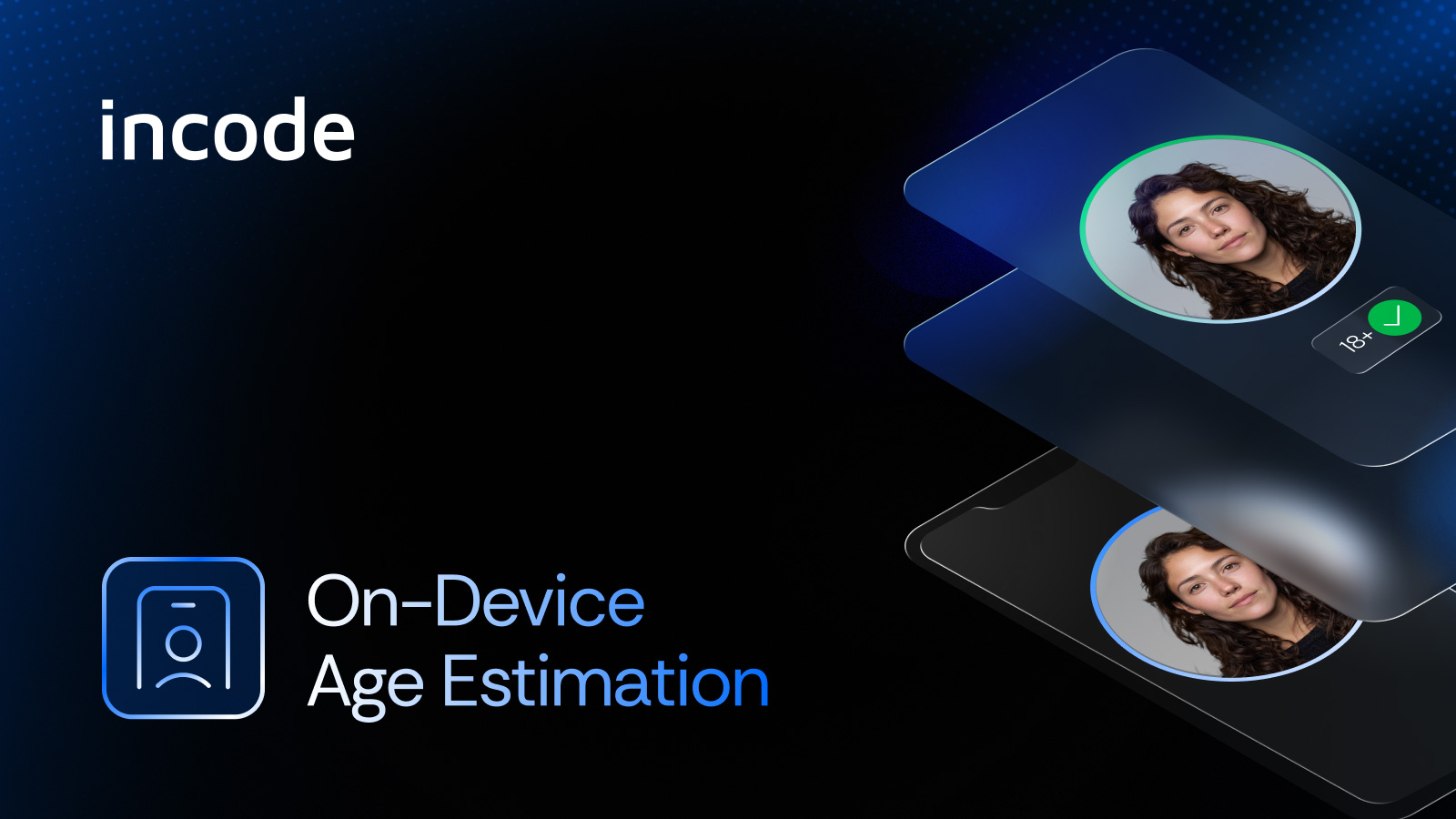
As age verification laws expand worldwide, organizations face growing pressure to protect users' privacy while meeting regulatory requirements. Incode explains how on-device age estimation verifies age without transmitting or storing facial images, reducing biometric privacy risks while supporting compliance. [...]
🤖 AI BriefingAuto-generated threat analysis
🔍Threat Overview
Facial age estimation in online age verification systems is vulnerable to agentic fraud, where AI agents are used to cheat the system. The lack of secure data storage and transmission of facial images makes these systems susceptible to tampering and injection attacks.
⚙️Technical Details
Affected Systems
Online age verification systems using facial age estimationThird-party tech stacks relying on server-based age estimation
Attack Vectors
Agentic fraudTampering with the session itself (e.g. injected camera feed, manipulated device)Injection attacks
💥Impact Assessment
Severity: High
Who Is at Risk
Users of online age verification systems and third-party tech stacks relying on server-based age estimation
🛡️Recommended Actions
1Implement on-device processing capabilities for facial age estimation
2Use privacy-enhancing cryptographic solutions to secure data transmission
3Regularly update software and hardware to prevent exploitation of known vulnerabilities
Read the full article
This is a curated summary. The complete article is available at Bleeping Computer.